Witchcraft and Magic in England, c. 1400–1920 Coming Soon
The significance of witches, witchcraft, and magic in English history
Witchcraft is a wicked Arte, serving for the working of wonders, by the assistance of the Deuill, so farre forth as God shall in iustice permit.M. William Perkins (1610).
Receive Updates on Release
This collection is coming soon. However, you can register for a free trial here and obtain access as soon as it is released.
Register Institutional Interest
Register your InterestExplore magical practices and beliefs in England across five centuries
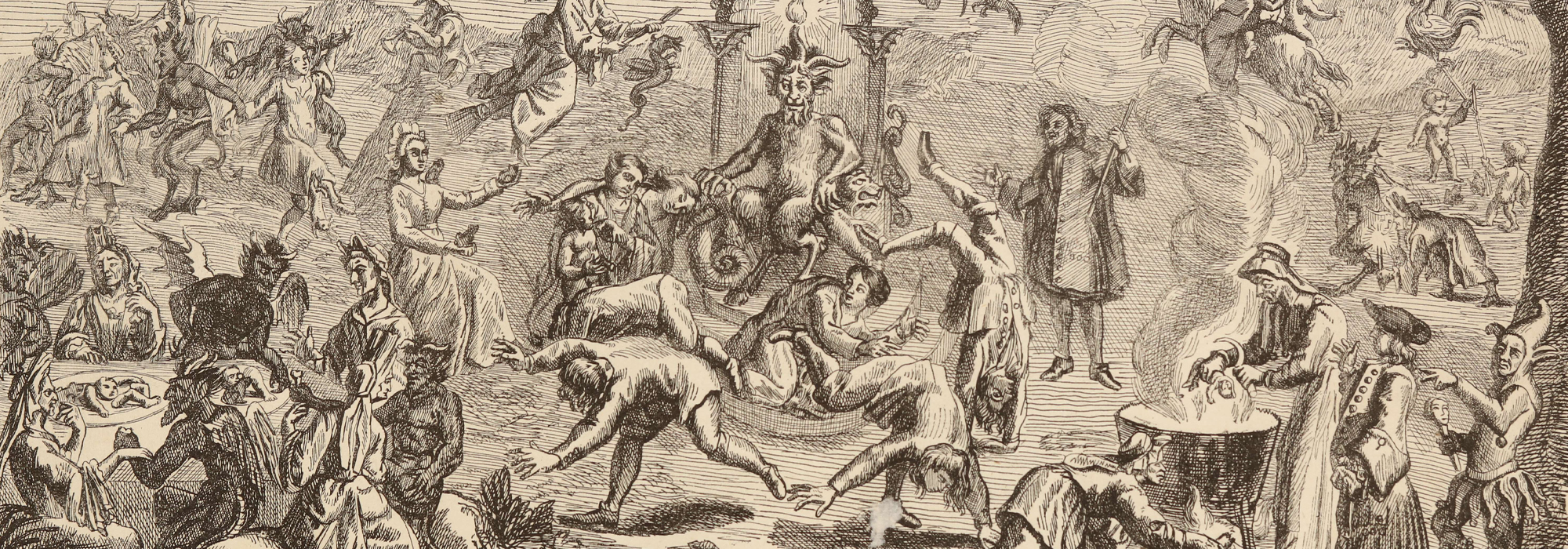
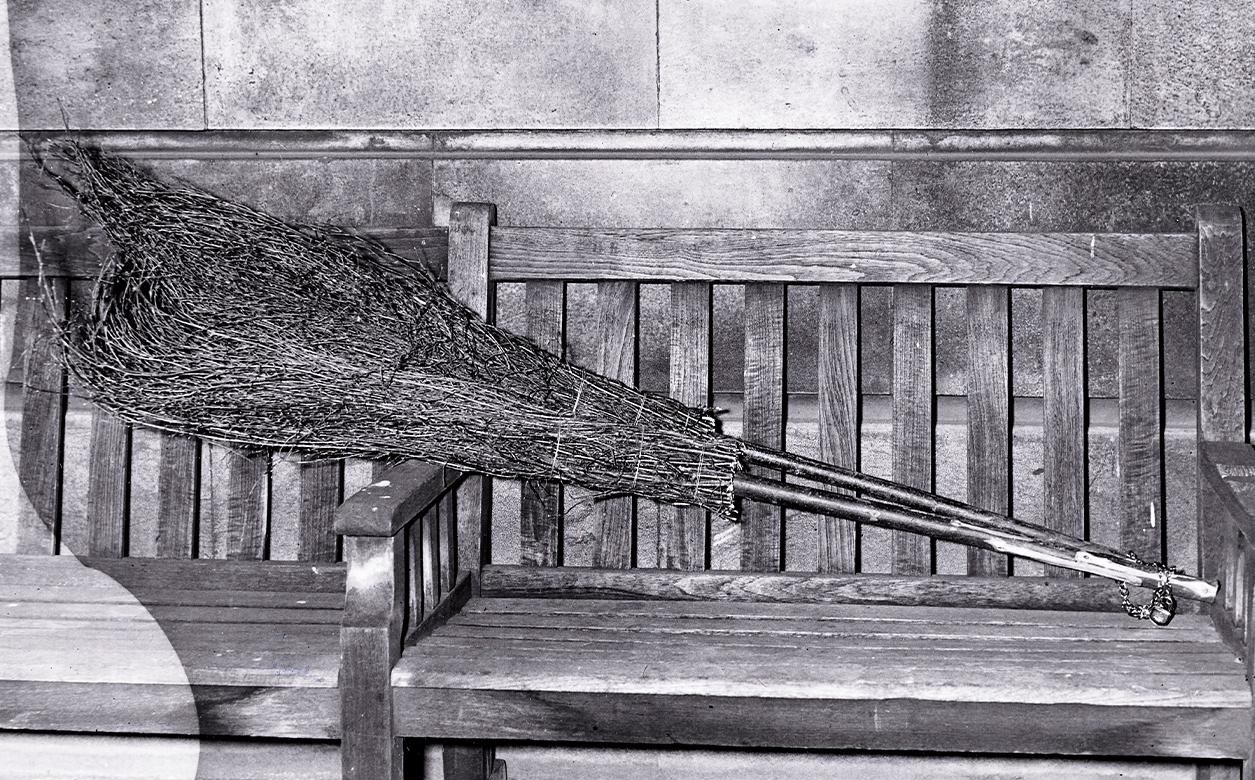
The practice of witchcraft is centuries old, yet we continue to live in a world fascinated by the potential of magic. Witches have existed in many eras and in many forms—culturally significant and versatile figures who became the object of intense legal, religious, political, and social scrutiny.
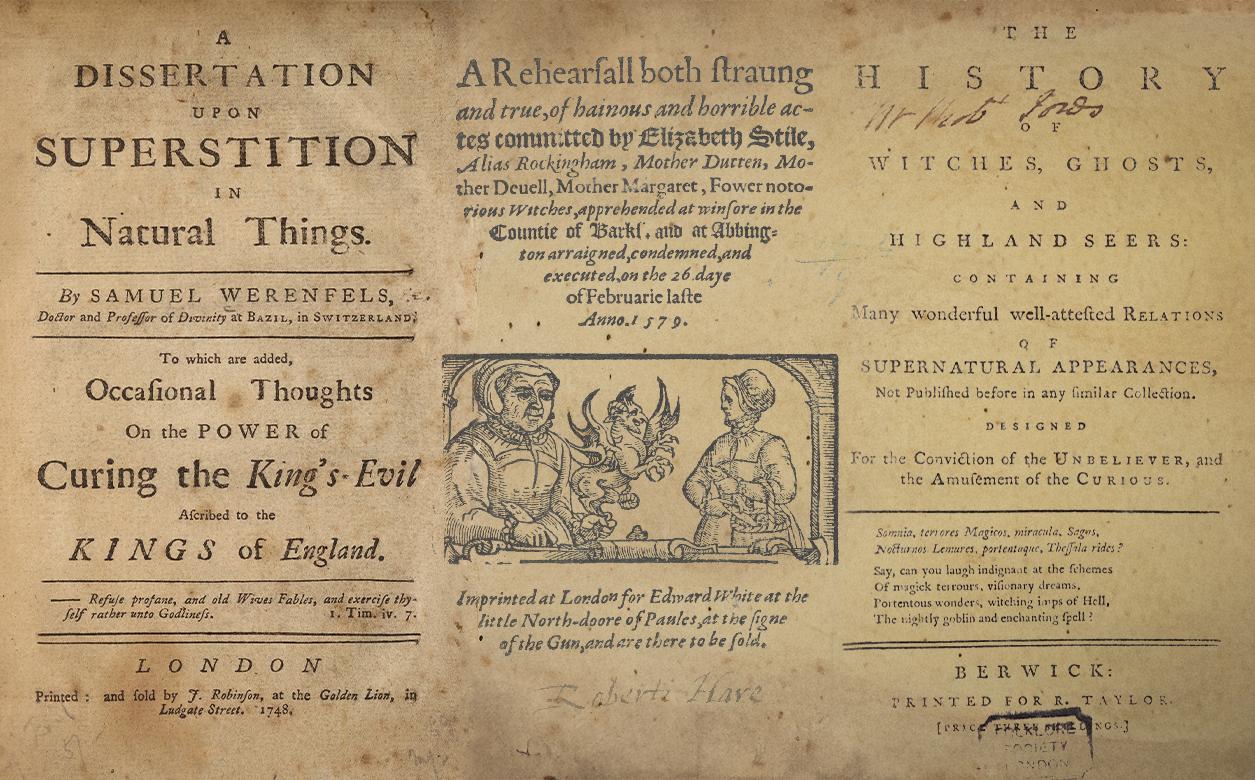
Bringing together over 55,000 images, this unique collection charts the evolution of witchcraft and magic in England over five centuries. It comprises documents sourced from The National Archives (UK), British Library, University College London Special Collections, and The Folklore Society. It incorporates a broad range of records and texts, exploring an array of key topics and themes, such as belief, gender, medicine, politics, religion, and science.
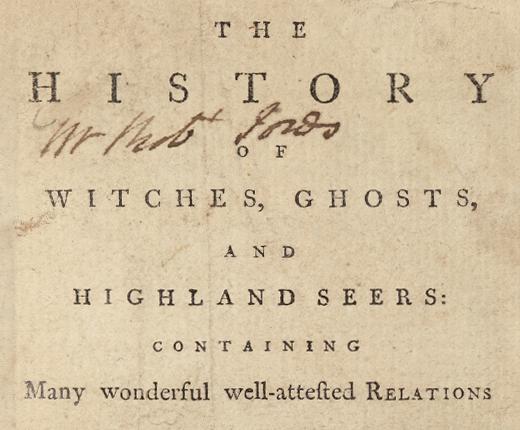
The collection hones in on the concept of the witch in late medieval thought and literature, when longstanding beliefs in astrology, ritual magic, superstition, religion, and theories of health and healing tended to compete, but were nevertheless largely co-existent. It then surveys the post-1450 period, when shifting attitudes towards witchcraft led to legal and secular changes, alongside an increase in accusations against, and persecutions of, those perceived to be witches. This trend was linked to religious upheaval, political change, and social tensions in English communities, whereby controversy, fear, and hatred were stoked by a growing print culture. Significantly, the collection features assize records from witch trials of the early modern period and examines pamphlets and printed material that cast the accused (mainly women) as deviant social forces.
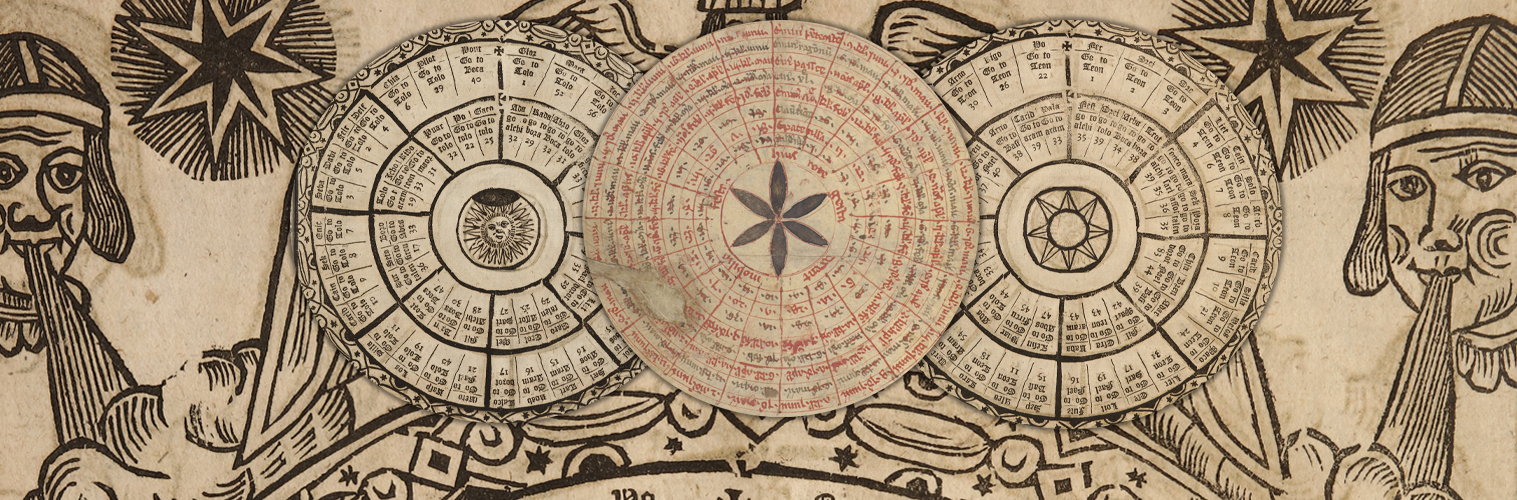
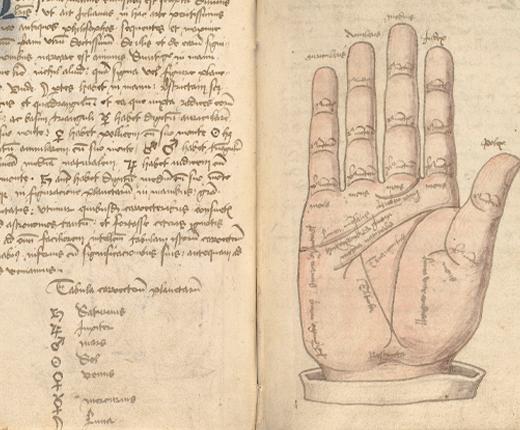
The sources also spotlight groups who escaped suspicion: members of the elite or “cunning folk”, as well as medical practitioners who engaged in “respectable magic”. Indeed, the collection contains many alchemical tracts, astrological almanacs, and herbals. The study of magic, the occult, and witchcraft became a widespread scholarly pursuit during the nineteenth and early twentieth centuries. Literature generated by those who studied these compelling subjects, or who were attracted to esoteric societies, features prevalently.
Interdisciplinary in ethos and expansive in terms of its chronological scope and the archival materials that it contains, this collection will appeal to students, educators, and researchers working within a range of scholarly fields, including anthropology, literary studies, philosophy, sociology, religious studies, and women’s studies. It will likewise interest those situated within various branches of historical study, such as the history of ideas and the history of science, as well as social, cultural, and political history.
Register your InterestContents
Highlights
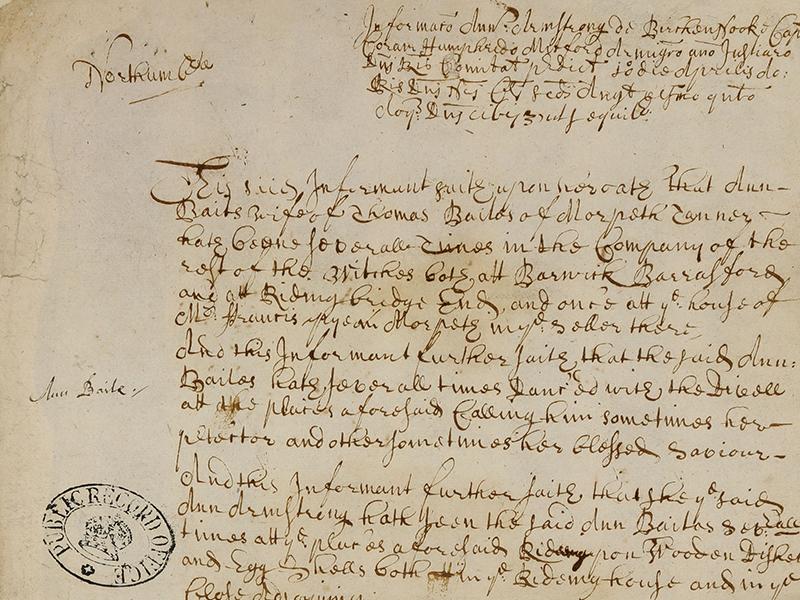
Licensed to access Court Records from the Assizes
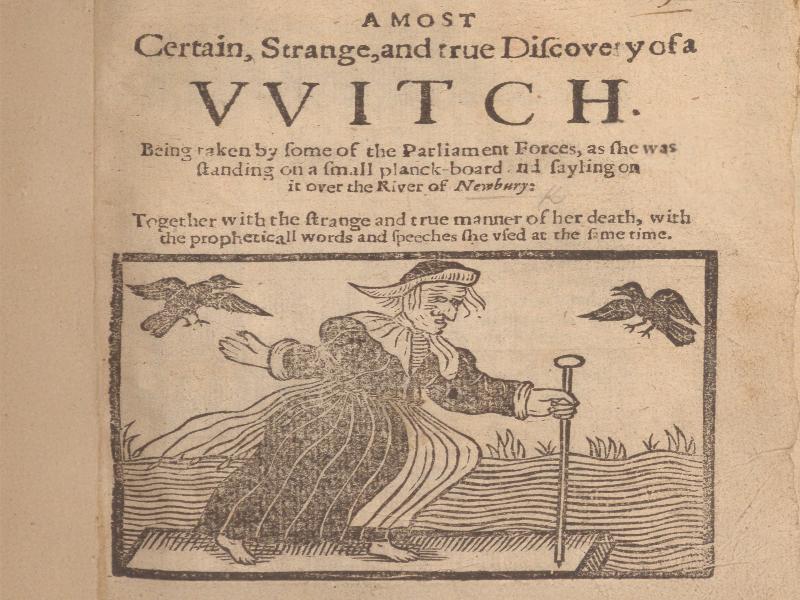
Licensed to access Discovery of a Witch
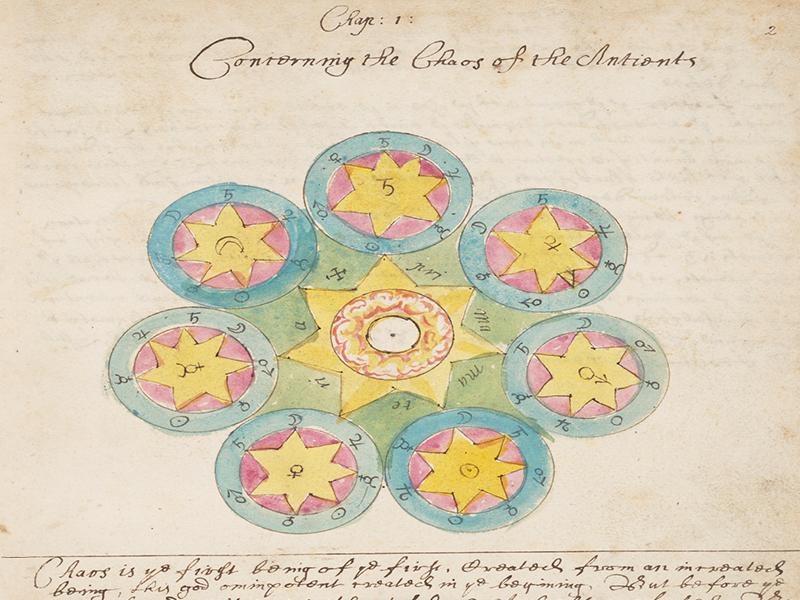
Licensed to access Rare Manuscripts
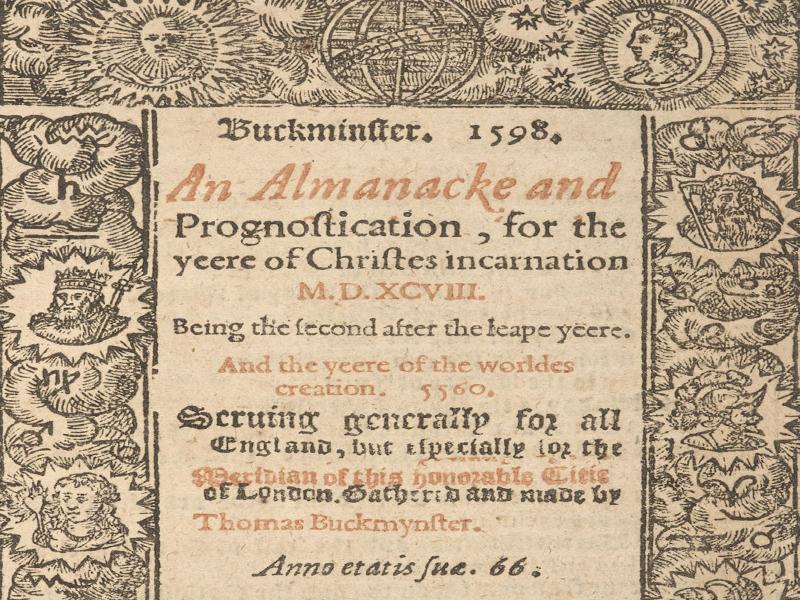
Licensed to access Astrological Almanacs
Insights
- During the sixteenth and seventeenth centuries, beliefs in witchcraft permeated English society. Witchcraft was first deemed a capital offence in 1542, during the reign of King Henry VIII, when the Witchcraft Act defined it as a crime punishable by death. This was repealed in 1547, but restored by a new Act in 1562. Under King James I, a further Act, passed in 1604, intensified persecution. Reflecting James’s Christianity and his interest in demonology, the Act expanded the definition of witchcraft, prohibiting grave-robbing rituals and the use of magic to find hidden treasure. It also transferred trials from church courts to common law courts. The Witchcraft Act (1736) repealed earlier laws, but imposed fines or imprisonment on those claiming magical powers. During the nineteenth century, legislation targeted deception, with the Vagrancy Act of 1824 criminalising astrology, fortune-telling, and spiritualism.
- Witchcraft induced fear throughout English society. Between 1560 and 1700, at least 513 people were tried for witchcraft; the last known execution occurred in 1685, with the final recorded trials taking place in Leicester in 1717. Women were more likely to be accused of witchcraft because of Christian teaching, which asserted that women were the weaker sex and therefore more vulnerable to the powers of the Devil. Yet men were also accused. Accusations centred on dark rituals and “maleficium”, or evil magic, such as summoning malevolent spirits or casting harmful spells. Yet accusations of witchcraft also help to illuminate more mundane aspects of everyday life, such as people being suspicious of neighbours or trying to comprehend a failed harvest. In many ways, the history of witchcraft tells us less about the supernatural and more about the realities of everyday life for ordinary people in early modern England.
- Religious belief is inseparable from the history of witchcraft. During the medieval and early modern periods, the Roman Catholic Church taught the dangers of witchcraft and had powers to punish those accused of magic and sorcery, while the philosophical and religious tradition of hermeticism influenced much work on magical practices. Inspired by mystical and esoteric beliefs, Wicca—centered around nature, magic, and ritual—emerged as a popular pagan religion during the twentieth century.
- Many esoteric and magical practices are surveyed throughout this collection, including alchemy, astrology, divination, enchantment, herbalism, and sorcery. Over time, these practices evolved, as did the ways in which they were conceptualised and written about. In medieval documents, references to magic often appear in accusations against alleged witches or in medical advice and in recorded folklore. Later, magic tended to be approached as a topic of study. Some practices, such as alchemy and healing rituals, can be viewed as precursors of modern scientific processes and practices, namely chemistry and contemporary medicine. Significantly, this collection facilitates the study of the development of magic and natural philosophy over time.
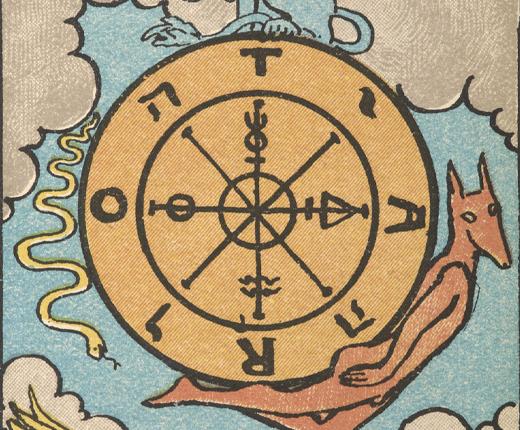
- During the nineteenth century, the study of magic, the occult, and witchcraft became a widespread scholarly pursuit. This collection features literature generated by this intellectual trend, such as Joseph Ennemoser’s The History of Magic (1854); Edward Heron-Allen’s A Manual of Chierosophy (1886); H. Stanley Redgrove’s Bygone Beliefs, Being a Series of Excursions in the Byways of Thought (1920); and An Introduction to the Study of the Kabalah (1926) by William Wynn Westcott, co-founder of the Hermetic Order of the Golden Dawn, which attracted the celebrated Irish poet, W. B. Yeats. Works by Arthur Edward Waite, co-creator of the Rider–Waite Tarot deck and who was likewise a member of the Golden Dawn, also feature.
- Throughout this collection, you will encounter a wide range of documents and handwriting styles. Most documents are written in early modern English, while some are in Latin or written in Secretary Hand. Developed in the late medieval period to increase writing speed, Secretary Hand was prevalent in England from the fifteenth to seventeenth centuries, when the keeping of registers of baptisms, burials, and marriages became mandatory. The key characteristics of Secretary Hand are cursive writing, unfamiliar letter forms, now-obsolete Anglo-Saxon letters, inconsistent spelling, and frequent abbreviations.
Coming soon...
Unlock Historical Research for Your Institution
Provide your students and researchers with direct access to unique primary sources.