The Slave Trade, c. 1830–1893: British Foreign Office Confidential Print Coming Soon Overview

  • Home
  • Collections
  • The Slave Trade, c. 1830–1893: British Foreign Office Confidential Print

Slavery, abolitionism, power, and morality in the nineteenth century

Our duty–our vocation–is not to enslave, but to set free
Viscount Palmerston,  
1847.

Receive Updates on Release

This collection is coming soon. However, you can register for a free trial here and obtain access as soon as it is released.

Register Institutional Interest

Register Interest

Explore the role of foreign policy and diplomacy in British anti-slavery efforts

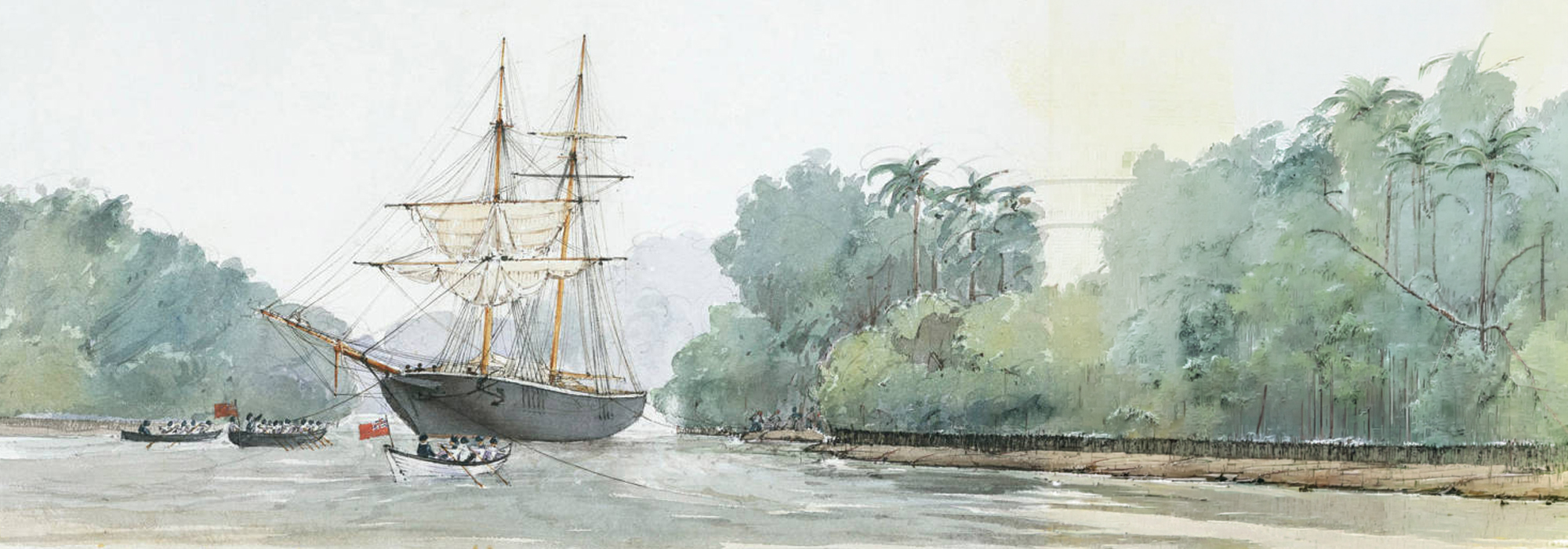
Britain’s role in the history of slavery is long and complex. After decades of abolitionist campaigning, the Act for the Abolition of the Slave Trade in 1807 ended Britain’s involvement in the transatlantic trade in enslaved people. It also marked the beginning of a new chapter of international anti-slavery diplomacy in the nineteenth century. This included the formation of a Royal Navy squadron to police the West African coast and intercept ships of other nations still engaged in the slave trade. There was also a concerted diplomatic endeavour to push other states and rulers—in Europe, Africa, the Middle East, and the Americas—towards abolition.

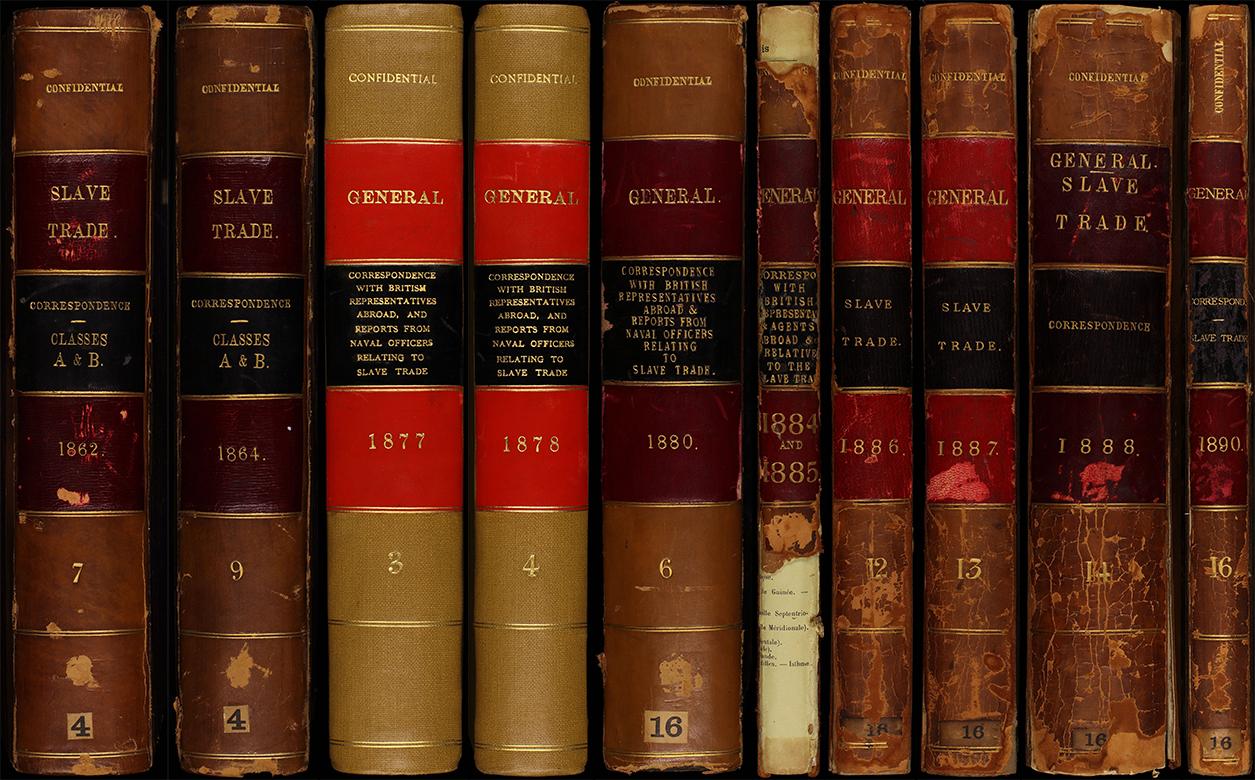
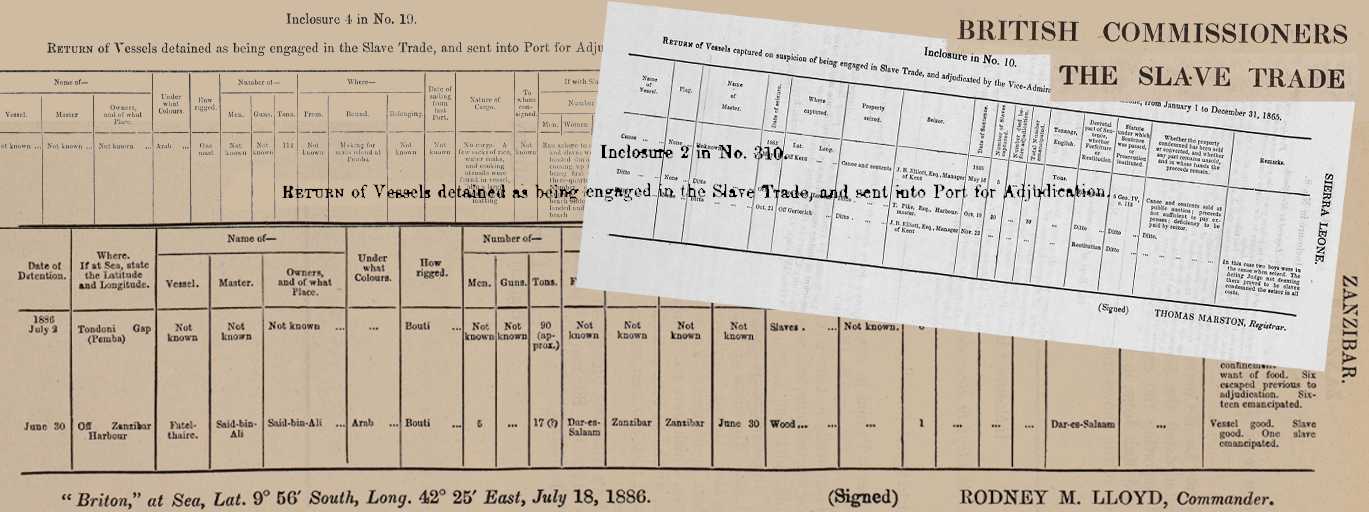
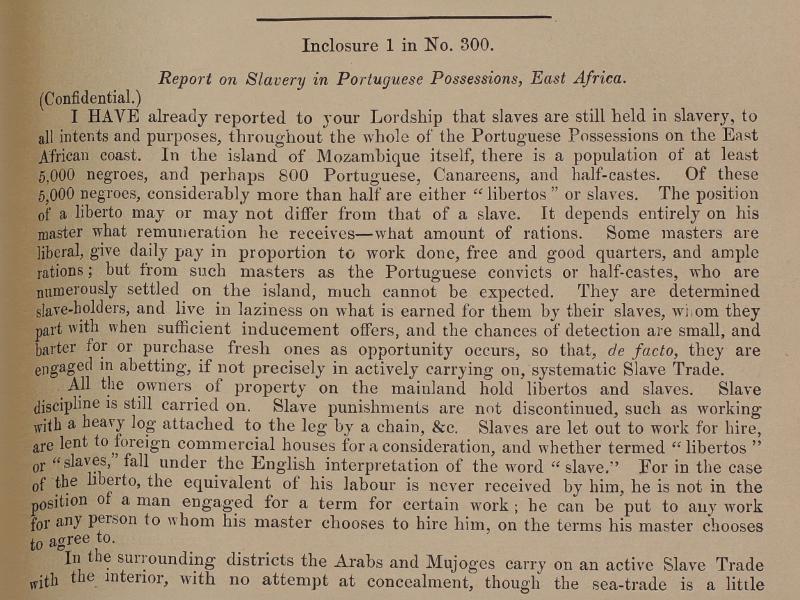
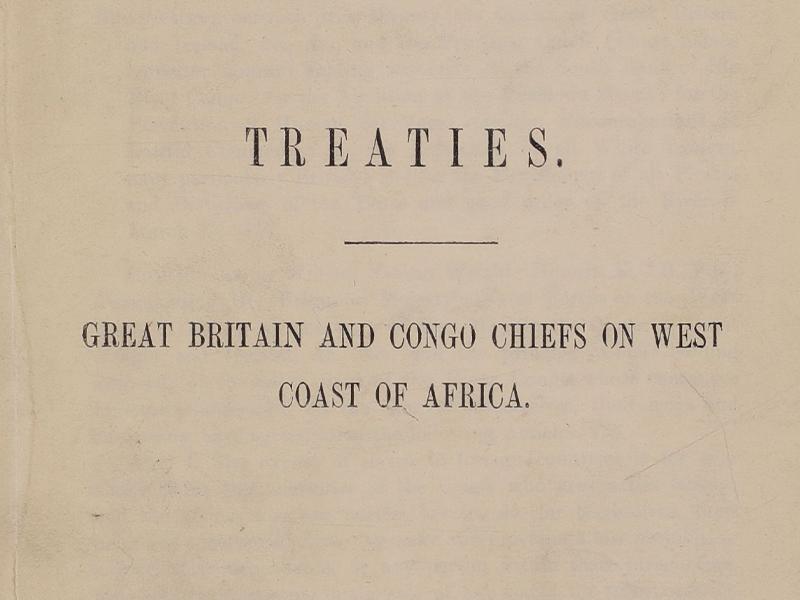
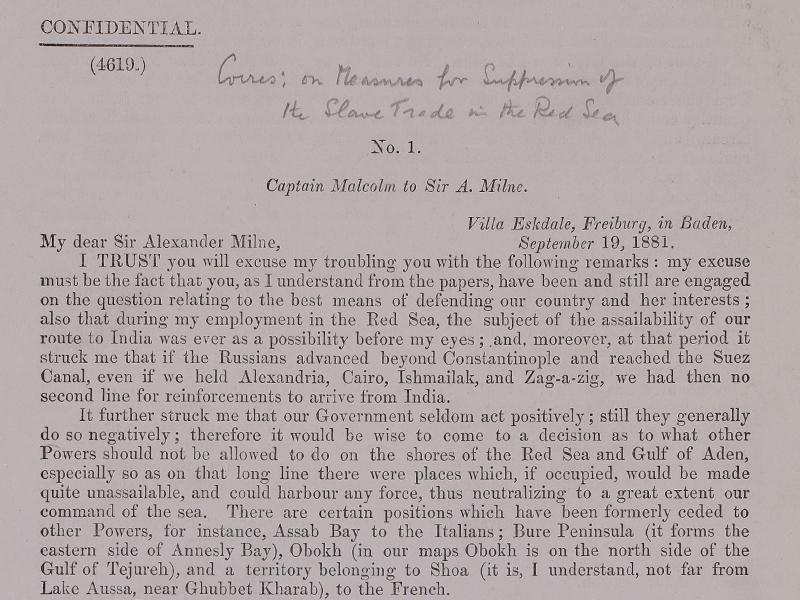
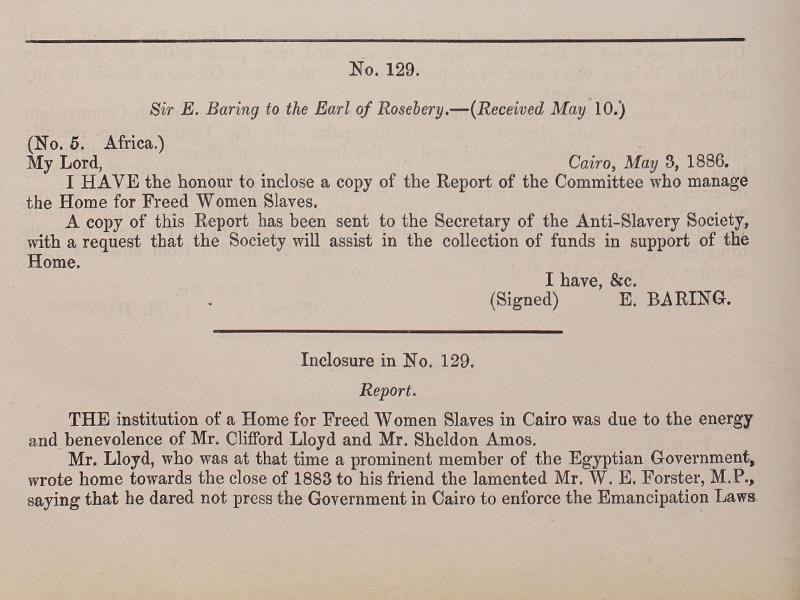
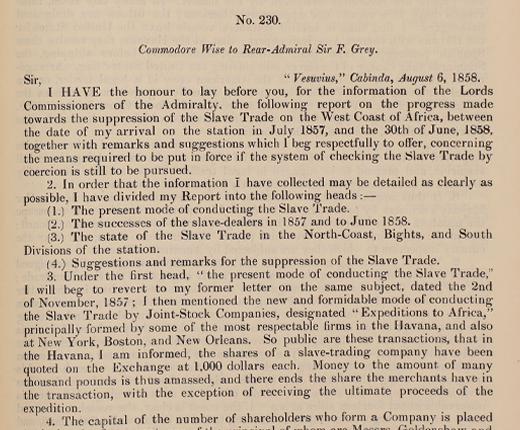
Comprising over 31,000 images from Foreign Office files at The National Archives (UK), this collection includes diplomatic correspondence and reports sent between London and British officials, agents, and naval officers working across the world. It offers unrivalled insights into official attitudes towards slavery and the formation of policies relating to formerly enslaved people. It highlights the confluence, and contradictions, of political strategy, military strength, and moral mission, in the high imperial era.

This collection will be of interest to historians of slavery, abolition, empire, and diplomacy. It will also appeal to those situated within the fields of political science and economics.

Register Interest

Contents

The Slave Trade, c. 1830–1893: British Foreign Office Confidential Print...

Collection release coming soon...

Register Interest

Coming soon...

lock_open

Unlock Historical Research for Your Institution

Provide your students and researchers with direct access to unique primary sources.

A cover of The Illustrated War News, including an illustration of a tank, the Union Jack flag, and the French flag.

Licensed to access Illustrated War News, 1914–1918 & 1939

1914   1939
Illustrated London News logo
An image of the painting The Relief of Lucknow, by Thomas Jones Barker. The siege of Lucknow was the prolonged defence of the British Residency within the city of Lucknow from rebel sepoys during the Indian Rebellion of 1857.

Licensed to access World News in Indian Newspapers, 1782–1908

1782   1908
India Office Library (c/o British Library) logo
A black and white image of French, British and Italian ministers at the Paris Peace Conference.

Licensed to access Paris Peace Conference and Beyond, 1919–1939

1919   1939
The National Archives (UK) logo
British Library logo
Six men stood and sat around a wagon - the first run of the Zambesia Mail and Passenger Company stage coach between Salisbury (now Harare) and Umtali (now Mutare), Southern Rhodesia (now Zimbabwe).

Licensed to access Zimbabwe Under Colonial Rule, in Government Reports, 1897–1980

1897   1980
British Foreign & Commonwealth Office logo
Back to Top