Radicalism and Popular Protest in Georgian Britain, c. 1714–1832 Satire in Georgian Britain

  • Home
  • Collections
  • Radicalism and Popular Protest in Georgian Britain, c. 1714–1832
Exhibit

Satire in Georgian Britain

Dr Mary Wills Published 20th May, 2026
Interactive exhibit

About this exhibit

Explore the role of satire and caricature in the social, cultural, and political life of Britain in the Georgian era.

Exhibits

More exhibits

View all exhibits
Spain and Portugal, 1837–1974: British Foreign Office Confidential Print

Non-Intervention in the Spanish Civil War

Dr Charlie Hall
Published 17th November, 2026
The Slave Trade, c. 1830–1893: British Foreign Office Confidential Print

Home for Freed Women Slaves

Nishah Malik
Published 5th October, 2026
The Strand Magazine, 1891–1930

“Zig-Zags at the Zoo”: Animals, Illustration, and Humour in The Strand Magazine

Chloe Haney
Published 2nd September, 2026
Britannia and Eve, 1926–1957

The Tobacco Industry and Advertising: Women Smoking in Interwar Britain

Nishah Malik
Published 18th August, 2026
View all exhibits
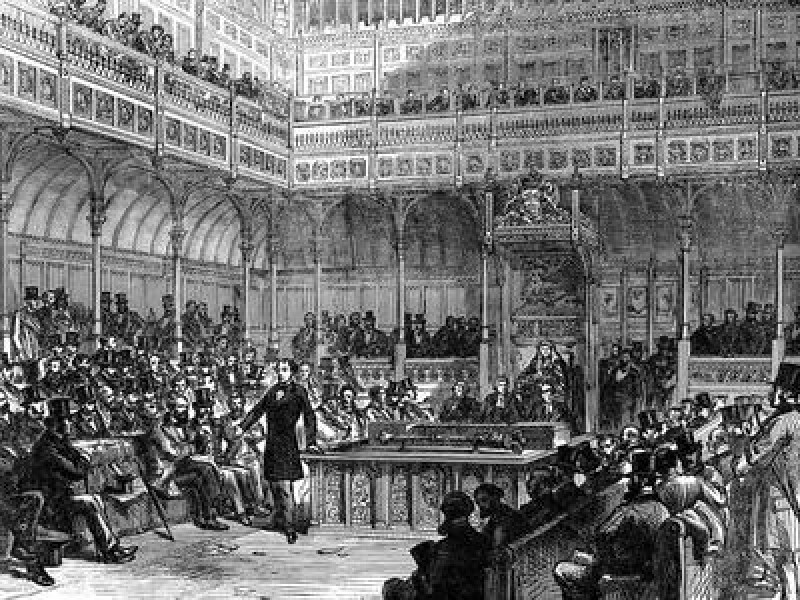
Benjamin Disraeli as British Prime Minister addressing the House of Commons in the 1870s

Licensed to access Trade Unionism and the Chartist Movement, 1833–1910

1833   1910
Bishopsgate Institute logo
A black and white image of workers on strike, holding up posters and marching.

Licensed to access Radical Trade Unionism in Britain, 1921–1991

1921   1991
Archive Trust of the Communist Party of Great Britain logo
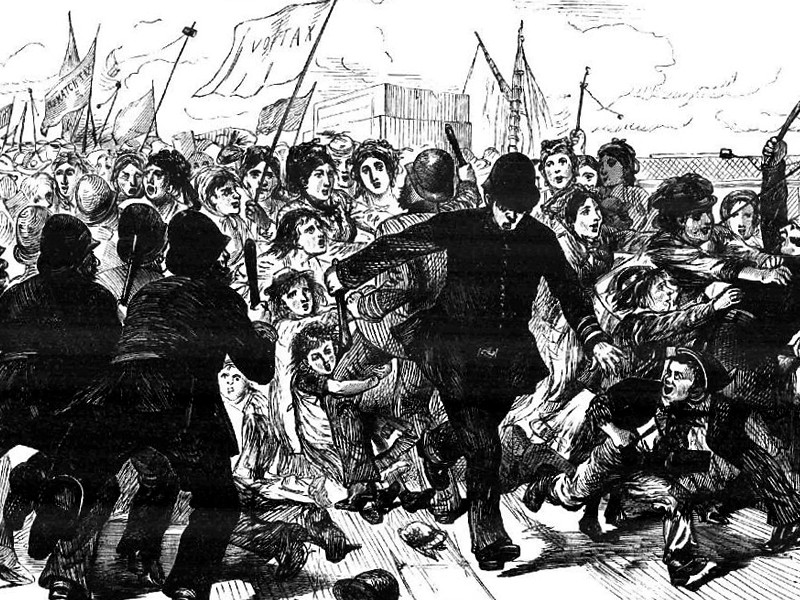
A cartoon from The Day's Doings, showing the police clashing with protesting match girls

Licensed to access British Women Trade Unionists on Strike at Bryant & May, 1888

1888   1888
C L R James Library logo
An engraving of seven women working in a fabric shop, 1885.

Licensed to access The Industrial Revolution: Technological Innovation in the Textile Industry, 1672–1929

1672   1929
Bolton Archive and Local Studies Service logo
lock_open

Unlock Historical Research for Your Institution

Provide your students and researchers with direct access to unique primary sources.

Back to Top